
Why Some Hobbies Stick and Others Become Phase Purchases
Most hobbies generate an initial purchase. Few generate a lasting practice. The difference isn't about willpower—it's about the structure of the hobby itself.
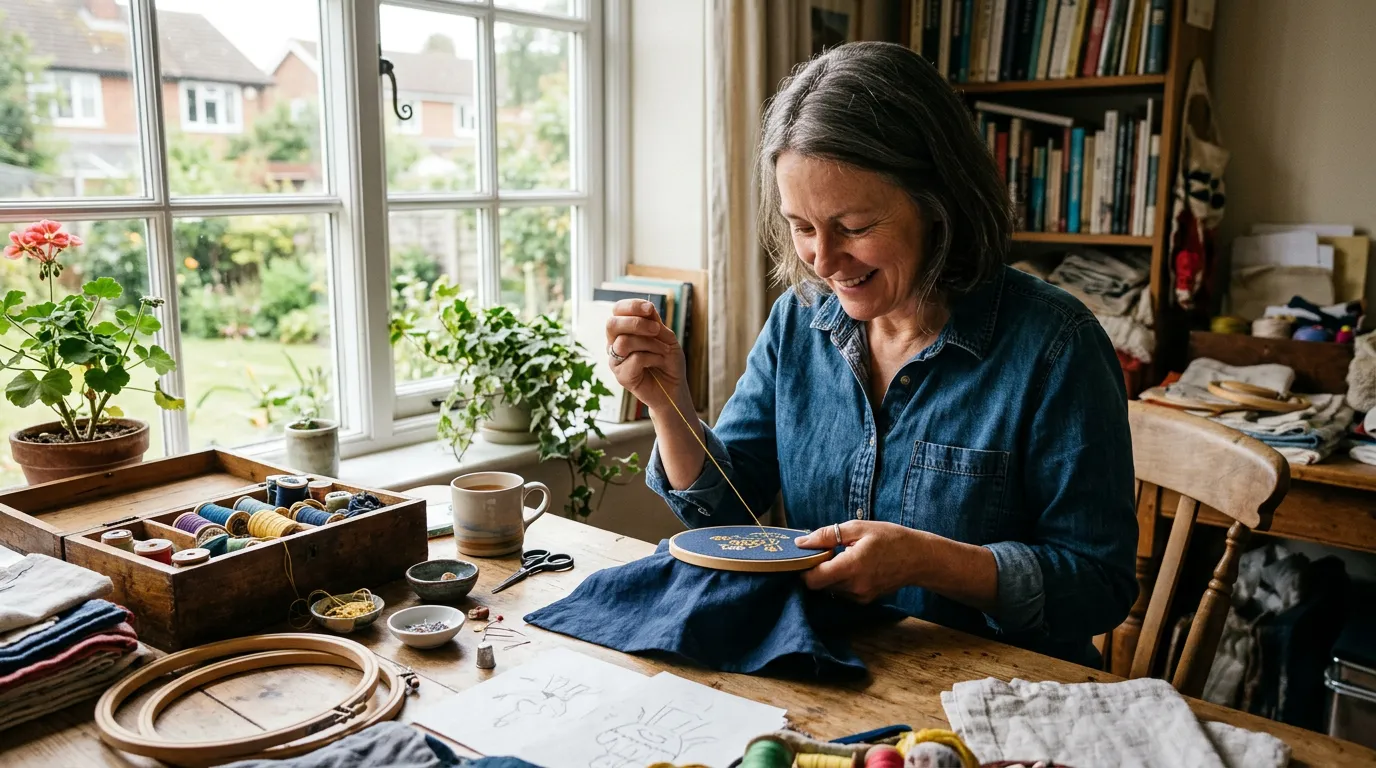
A new set of oil paints. A bread machine. A guitar. A road bike. A sous vide cooker. A sewing machine. Pick any of these and there's a reasonable chance you know someone—possibly yourself—for whom the purchase was both genuine and the high-water mark of engagement with the activity. The instrument was tuned once, played three times, leaned against a wall for eight months, and sold.
Phase purchases aren't a character failure. They're the predictable result of how hobbies are discovered and adopted in a consumer culture where the purchase is the easiest part of starting anything. The purchase is available immediately. The practice develops slowly. Most people overestimate the first session's returns and underestimate the plateau that follows, and the mismatch between expectation and reality is where most hobbies end rather than begin.
Understanding what separates the hobbies that stick from the ones that don't is genuinely useful—both for evaluating what to spend on next and for knowing when a current phase purchase might still have a chance.
What Makes a Hobby Stick
The hobbies that generate sustained practice almost always have a skill progression structure with a visible feedback loop at every stage. You can measure whether you got better this session than last—not in a formal competitive sense, but in the direct sensory experience of a shot that felt different, a sentence that arrived where you intended it to, a dish that tasted closer to what you were imagining. That feedback is intrinsically motivating in a way that introspective progress is not.
Social infrastructure is the second structural requirement. Hobbies with built-in communities—running clubs, pottery classes, climbing gyms, writing groups—have an external commitment mechanism that keeps the practice alive through the plateau phases where the intrinsic motivation dips. The person you run with on Tuesdays is a more reliable motivator during the low-engagement weeks than any quality of the running itself.
Low session-startup cost is the third. Hobbies that require significant setup before you can begin practicing—gear retrieval, equipment preparation, travel, reservation—have a higher activation energy for each session that compounds over time. The guitar propped in the corner of the room is easier to pick up for ten minutes than the guitar in its case in a closet. Location and accessibility determine practice frequency more reliably than enthusiasm level, which is itself unreliable.
The Purchase-Practice Mismatch
Consumer culture has very effectively optimized the purchase gateway to hobbies and very poorly addressed what happens after the purchase. The equipment is excellent. The beginner experience—the first few sessions before the plateau, when progress is rapid and every session feels like a revelation—is not the experience of the sustained hobby, and nobody advertises the plateau phase.
The plateau is where most hobbies end. The rapid early progress slows. The gap between current skill and the skill you were imagining when you bought the equipment becomes visible and uncomfortable. The motivation that carried the first month—novelty, the high of early progress, social proof from a new purchase—has spent itself, and the deeper motivation that sustains long-term practice hasn't been established yet.
The hobbies that survive the plateau are the ones where the plateau itself contains something worth doing—the meditative quality of the activity independent of progress, the social value of doing it with others, or a specific aspect of the craft that engages you regardless of improvement rate. Photography survives the plateau for people who are genuinely interested in seeing; it doesn't for people who wanted to produce impressive photos quickly. Running survives for people who like running more than they like having run.
Before You Buy the Next One
The most useful pre-purchase test for any hobby is low-cost trial before significant equipment investment. Most skills can be practiced in a degraded form with borrowed, rented, or minimal equipment before the full kit purchase. A person who has done this knows what the plateau feels like before they've committed to the full cost of entry. A person who buys the gear first is betting on an experience they haven't had yet.
Second: identify whether the hobby has the social infrastructure you'd actually use. A class you could attend, a group you could join, a community—online or local—that would make the practice feel connected rather than solitary. If the answer is no, the hobby requires a higher level of self-generated motivation than most sustain.
Third—the one that catches most people—check the session-startup cost with the actual storage situation you have. The kitchen hobby that requires an appliance stored in a high cabinet will be used less than the one on the counter. The craft hobby stored in a room you don't regularly visit will be practiced less than the one in the room you spend most of your time in. These are boring structural realities that determine practice frequency better than enthusiasm does, and enthusiasm is the thing you have most of on the day of purchase and least of six weeks later.